Vagus Nerve Stimulation for IBS: Does It Actually Work?
- Treatments, Testing and Diagnosis

If you have IBS, somebody has probably told you to reduce your stress at some point. And whilst stress can certainly make IBS symptoms worse, this advice often misses the point. IBS isn’t caused simply by being stressed, and telling somebody who experiences daily abdominal pain, bloating or diarrhoea to relax isn’t particularly helpful.
However, we do know that the communication between your gut and brain plays an important role in IBS symptoms. In fact, this is why we now describe IBS as a disorder of gut–brain interaction rather than purely a digestive problem.
More recently, researchers have started investigating whether stimulating the vagus nerve could help influence this communication, with some promising early results. Alongside this research, we’ve seen the arrival of consumer vagus nerve stimulation devices such as Nurosym and Pulsetto.
As a specialist IBS dietitian, I find this area particularly interesting because I regularly work with people who have spent years trying to control their symptoms through food restrictions, when there are often other important factors involved.
But does vagus nerve stimulation actually work for IBS, and what should you know before investing in a device?
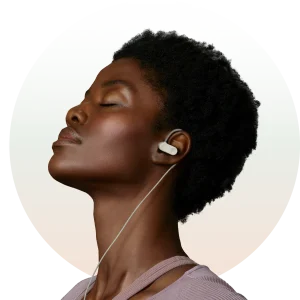
What is the vagus nerve and how does it affect IBS?
The vagus nerve is one of the major communication pathways between your brain and several organs, including parts of your digestive system. It forms part of the autonomic nervous system, which controls many processes that happen automatically, such as your heart rate, breathing and digestion.
You might have heard people refer to the parasympathetic nervous system as the body’s “rest and digest” system. The vagus nerve plays an important role in this system, but its function is much more complicated than simply switching digestion on and off. In fact, much of the information travelling through the vagus nerve goes from the body towards the brain, rather than the other way around.
So why does this matter for IBS?
One of the key mechanisms involved in IBS is something called visceral hypersensitivity. This means that your digestive system becomes more sensitive to normal sensations, such as stretching, gas or movement within the bowel. As a result, somebody with IBS might experience significant pain or bloating from an amount of gas that wouldn’t bother somebody without IBS.
I see this regularly in clinical practice. People often assume that if they feel bloated or uncomfortable after eating, they must have eaten a particular trigger food. They then start cutting things out, sometimes to the point where their diet becomes extremely restricted, yet their symptoms continue.
This is because IBS isn’t always about the amount of gas being produced or the food somebody has eaten. It can also involve changes in gut motility, sensitivity and the way the nervous system processes digestive sensations.
And this is why researchers have become interested in whether we can influence these pathways through vagus nerve stimulation.
What is vagus nerve stimulation?
Vagus nerve stimulation (VNS) involves using electrical impulses to stimulate the vagus nerve or one of its branches. Doctors have used implanted vagus nerve stimulation devices for certain neurological conditions for many years, but researchers are now investigating non-invasive methods that don’t require surgery.
There are two main techniques you are likely to come across. The first is transcutaneous auricular vagus nerve stimulation (taVNS), which involves placing electrodes on specific areas of the outer ear. The second is transcutaneous cervical vagus nerve stimulation (tcVNS), which delivers electrical stimulation through the neck.
Both approaches aim to influence nerve signalling, but they use different stimulation locations and protocols. This is important because we cannot automatically assume that research using one technique applies to another.
Researchers believe vagus nerve stimulation may influence autonomic nervous system activity, pain processing and certain aspects of gut–brain communication. However, understanding how something might work is only the first step. We also need good clinical trials showing that it produces meaningful improvements in symptoms.
Does vagus nerve stimulation work for IBS? What the research shows
The research into vagus nerve stimulation for IBS is relatively new, but several randomised controlled trials have now investigated its effects.
A 2026 systematic review and meta-analysis brought together four randomised controlled trials involving 170 people with IBS. The researchers found that non-invasive electrical nerve stimulation improved overall IBS symptom severity, abdominal pain, stool consistency and IBS-related quality of life.
These findings are encouraging because the researchers compared active stimulation with control treatments rather than relying entirely on people reporting how they felt after using a device.
However, there are some important limitations. The studies involved relatively small numbers of participants, used different stimulation techniques and didn’t provide enough information about longer-term benefits. The researchers also rated the overall certainty of evidence as low to very low.
In other words, the results suggest that this is an area worth investigating further, but they don’t yet provide strong enough evidence to establish vagus nerve stimulation as a routine IBS treatment.
What about vagus nerve stimulation for IBS constipation?
One of the studies I find particularly interesting is a 2025 randomised controlled trial published in the American Journal of Gastroenterology. The researchers recruited 40 people with constipation-predominant IBS (IBS-C) and compared four weeks of auricular vagus nerve stimulation with sham stimulation.
Participants receiving active stimulation experienced improvements in abdominal pain, bowel movement frequency, stool consistency, overall IBS severity and quality of life. The researchers also found changes in rectal sensation and autonomic nervous system measurements, which could help explain the effects they observed.
This is particularly relevant because constipation in IBS isn’t always as straightforward as somebody not opening their bowels often enough. I regularly see clients who open their bowels every day but still experience symptoms associated with incomplete evacuation, stool retention or increased gut sensitivity.
However, we need to be careful about how we interpret this study. It included only 40 participants, and four weeks doesn’t tell us whether the benefits continue over several months. We also need research comparing different stimulation settings and identifying which people are most likely to respond.
A further exploratory study published in September 2026 investigated auricular vagus nerve stimulation in people with abdominal pain, including participants with IBS and functional dyspepsia. Although this adds to the growing research into neuromodulation and gut–brain interaction, the small IBS subgroup and short treatment period limit the conclusions we can draw.
Overall, I think vagus nerve stimulation is a promising area of research for IBS, particularly for abdominal pain and some constipation-related symptoms. But promising research is not the same as having an established treatment.
Can vagus nerve stimulation help IBS bloating?
Bloating is one of the most common symptoms I see in practice, and it’s also one of the most misunderstood. People naturally assume that if their abdomen feels swollen or uncomfortable, they must be producing excessive amounts of gas. However, that isn’t necessarily the case.
Some people experience bloating because constipation causes stool and gas to accumulate within the bowel. Others have increased sensitivity to normal digestive activity, while some experience changes in how their diaphragm and abdominal wall respond to the contents of their abdomen.
This means that two people can experience very similar bloating symptoms but need completely different treatments.
Given the role of the nervous system in gut sensitivity, there is a reasonable scientific basis for investigating whether vagus nerve stimulation could help some forms of bloating. However, we don’t currently have strong enough evidence to say that it consistently improves bloating in people with IBS.
I would therefore be cautious about interpreting general claims around nervous system regulation as proof that a particular device will resolve bloating.
Can you stimulate your vagus nerve naturally?
If you’ve spent any time on Instagram, you have probably seen people recommending humming, singing, cold showers or breathing exercises to stimulate the vagus nerve.
There is some genuine physiology behind certain techniques, but social media often takes this much further than the research supports. For example, slow breathing can influence autonomic activity and support relaxation, but that doesn’t mean humming for 30 seconds will reset your nervous system or cure IBS.
Diaphragmatic breathing is something I regularly incorporate into my work with clients, particularly when gut sensitivity, abdominal tension or symptom-related anxiety contributes to their symptoms. It’s simple, accessible and can form part of a broader management plan.
However, I wouldn’t describe breathing exercises and electrical vagus nerve stimulation as equivalent treatments because they work differently and have different evidence bases.
It’s also worth being cautious about claims that everybody with IBS has a “weak” or “damaged” vagus nerve. There is no validated consumer test that can establish this from a list of symptoms, and IBS does not automatically mean somebody has vagus nerve dysfunction.
What are the different vagus nerve stimulation devices?
Alongside the developing research, several consumer devices have become available. These products often appear together in online searches, but they don’t all use the same technology, and their features, prices and published research can vary substantially.
Three products you might come across are Nurosym, Pulsetto and Sensate.
Nurosym: Ear-based vagus nerve stimulation
Advertisement | Affiliate product information
Nurosym is a wearable neuromodulation device developed by Parasym. It uses a small clip positioned on the tragus of the ear to deliver electrical stimulation, using a technique known as transcutaneous auricular vagus nerve stimulation.
One thing that distinguishes Nurosym from many general wellness devices is the clinical research programme associated with its technology. The manufacturer reports more than 60 completed clinical studies across different areas of health. However, this doesn’t mean there are 60 studies showing improvements in IBS, and we cannot automatically apply results from research using other devices to Nurosym.
The device doesn’t require a mobile app or conductive gel, and there is no compulsory monthly subscription. Its ear-based design also makes it quite different from devices worn around the neck.
Nurosym currently costs approximately £599 in the UK, making it a relatively significant purchase. The manufacturer also provides product information about contraindications and a return policy, which I would recommend checking before making any decision.
Importantly, Nurosym states that the device is not intended to diagnose, treat, cure or prevent disease. The clinical research discussed in this article therefore shouldn’t be interpreted as evidence that Nurosym itself treats IBS.
Pulsetto: Neck-based vagus nerve stimulation
Pulsetto is another consumer device, but it uses a different method. Rather than attaching a clip to the ear, users position the device around the neck, where it delivers electrical stimulation.
Pulsetto generally has a lower upfront price than Nurosym, although prices vary between models and offers. It also uses a mobile app to control sessions and requires conductive gel to deliver stimulation.
The important distinction from a research perspective is that cervical and auricular stimulation are not identical. Even where studies report promising effects using one approach, we cannot assume that another device will produce the same outcomes.
Sensate: Vibration-based relaxation technology
Sensate works differently again. Rather than delivering electrical stimulation through the ear or neck, it uses vibrations applied to the chest alongside sound-based sessions intended to support relaxation.
Although companies and reviewers sometimes group Sensate with vagus nerve stimulation devices, its technology isn’t the same as direct electrical nerve stimulation. This means research investigating electrical auricular stimulation shouldn’t be used as evidence that Sensate produces equivalent effects.
Nurosym vs Pulsetto: Which device is better?
One of the most common questions when researching consumer vagus nerve stimulation is whether Nurosym is better than Pulsetto.
The answer depends on what you’re comparing. Nurosym uses an ear clip, doesn’t require conductive gel and doesn’t need a mobile app to operate. Pulsetto uses neck-based stimulation, requires gel and uses an app, but typically costs less upfront.
Nurosym also has a more established published research programme associated with its technology. However, a larger research programme doesn’t automatically establish that one consumer device performs better than another.
Crucially, we don’t have adequate head-to-head trials demonstrating that Nurosym or Pulsetto is superior for IBS. Neither should be marketed as a proven IBS treatment based on the research currently available.
If you’re comparing these products, I would focus on their stimulation methods, comfort, ease of use, price, ongoing costs, contraindications and the quality of their device-specific research rather than promises about treating digestive symptoms.
Nurosym discount code
Advertisement | Affiliate offer. I may earn a commission if you purchase through my link or discount code. Nurosym is not intended to treat IBS or any other diagnosed disease, and I wouldn’t recommend purchasing it as a substitute for evidence-based medical care.
Before buying any electrical stimulation device, make sure you review the manufacturer’s contraindications and check whether it is appropriate for your circumstances.
If you’re researching Nurosym and would like to look at its current product specifications, pricing and manufacturer guidance, you can use my affiliate discount code.
Discount code: Coming soon
Saving: TBC
View Nurosym and use my discount code
Are vagus nerve stimulation devices safe?
Clinical trials investigating non-invasive vagus nerve stimulation have generally reported good tolerability, although the available IBS studies are relatively small and cannot establish long-term safety for every device or population.
Some people experience local discomfort, irritation, tingling or other unpleasant sensations during stimulation. Because these devices deliver electrical impulses, manufacturers also specify situations where people should avoid using them or seek medical supervision.
For example, Nurosym lists contraindications involving pregnancy, severe bradycardia, previous cervical vagotomy and certain implanted objects or devices close to the stimulation area. People with significant cardiovascular conditions or electronic implants should not assume that a device is suitable without reviewing the relevant safety information and seeking appropriate medical advice.
It’s important to follow the instructions for your specific product rather than assuming all devices have identical safety guidance.
What would I recommend for IBS instead?
Although I find the research into vagus nerve stimulation interesting, I wouldn’t want somebody to overlook the treatments we already have stronger evidence for.
One of the biggest mistakes I see people making is assuming that every digestive symptom must relate to something they have eaten. They then start removing foods without necessarily understanding why they’re experiencing symptoms.
For example, I recently worked with a client who had spent years avoiding different foods because she believed almost everything triggered her IBS. Once we went through the low FODMAP process properly, we discovered that she could actually tolerate many of the foods she’d been avoiding. At the same time, we addressed her constipation and incorporated strategies to help manage gut sensitivity.
The result wasn’t simply that she had a longer list of foods she could eat. She finally understood what was driving her symptoms and could start living without constantly worrying about every meal.
This is why I always recommend taking a personalised approach to IBS.
If constipation is contributing to your symptoms, we need to look at bowel function, fibre intake and whether medication or further investigations might be appropriate. If specific carbohydrates are triggering symptoms, we can use the low FODMAP process to identify those without unnecessarily restricting your diet.
And if gut-brain interaction is playing a significant role, treatments such as gut-directed hypnotherapy and cognitive behavioural therapy already have an established evidence base for IBS.
These approaches might not sound as exciting as a new device, but they can be extremely effective when we match them to the right problem.
My verdict: Is vagus nerve stimulation worth exploring for IBS?
I think vagus nerve stimulation is an exciting development in IBS research because it reflects something we have understood for a long time: digestive symptoms aren’t just about what happens inside the gut. The nervous system also plays an important role in how we experience those symptoms.
The research so far suggests that certain forms of non-invasive nerve stimulation may improve abdominal pain, overall IBS symptom severity and some constipation-related outcomes. However, the studies remain small, and we need better evidence before we can confidently establish their role in routine IBS management.
We also need to distinguish between the research technique and the commercial devices available to consumers. Similar technology doesn’t guarantee identical clinical outcomes, and we shouldn’t assume that every device marketed around the vagus nerve has been shown to improve IBS.
For now, my advice is to stay interested in the developing research whilst prioritising the treatments we already know can help.
If you’re struggling with IBS and have spent months or years cutting out foods without getting your symptoms under control, you might not need another restriction, supplement or device. You might simply need a clearer understanding of what’s actually causing the problem.
If you’d like help understanding your IBS symptoms, find out more about my Take Control Programme, where we work through the dietary, digestive and gut-brain factors contributing to your symptoms.
Frequently asked questions
Does vagus nerve stimulation work for IBS?
Research suggests that some forms of non-invasive vagus nerve stimulation may improve IBS symptoms, particularly abdominal pain and certain constipation-related outcomes. However, studies remain relatively small, and the overall certainty of evidence is low to very low. Researchers need to conduct larger trials before clinicians can routinely recommend it for IBS.
Can vagus nerve stimulation improve constipation?
A 2025 randomised controlled trial involving 40 people with IBS-C reported improvements in bowel movement frequency, stool consistency and abdominal pain following four weeks of auricular stimulation. However, this doesn’t mean that vagus nerve stimulation will help every form of constipation.
Does vagus nerve stimulation reduce bloating?
Although researchers are interested in whether neuromodulation could influence gut sensitivity, there isn’t currently enough high-quality evidence to establish that vagus nerve stimulation consistently improves IBS-related bloating.
Does Nurosym work for IBS?
Nurosym uses auricular vagus nerve stimulation technology, but research investigating similar techniques doesn’t establish that Nurosym itself treats IBS. The manufacturer states that the device isn’t intended to treat or prevent disease.
Is Nurosym better than Pulsetto?
Nurosym uses ear-based stimulation, while Pulsetto delivers stimulation through the neck. They also differ in price, design and how users operate them. There aren’t adequate head-to-head studies demonstrating that one is more effective for IBS.
How long does vagus nerve stimulation take to work?
Some IBS studies have assessed outcomes after two to four weeks of stimulation. However, researchers haven’t established an optimal treatment duration or a reliable timeframe for symptom improvements across different devices.
References
- Wei Y, Shi Z, Wu S, Yao X. Efficacy and safety of non-invasive transcutaneous nerve stimulation in patients with irritable bowel syndrome: a systematic review and meta-analysis. Therapeutic Advances in Gastroenterology. 2026. https://pubmed.ncbi.nlm.nih.gov/41948519/
- Liu J, et al. Efficacy and Safety of Transcutaneous Auricular Vagus Nerve Stimulation in Patients With Constipation-Predominant Irritable Bowel Syndrome: A Single-Center, Single-Blind, Randomized Controlled Trial. American Journal of Gastroenterology. 2025;120(9):2139–2153. https://pubmed.ncbi.nlm.nih.gov/39689011/
- Sun X, et al. Ameliorating Effects and Autonomic Mechanisms of Transcutaneous Auricular Vagus Nerve Stimulation on Abdominal Pain in Patients With Functional Dyspepsia and Irritable Bowel Syndrome. Neurogastroenterology & Motility. 2026. https://doi.org/10.1111/nmo.70224
- Pérez-Montalbán M, et al. Effects of Transcutaneous Vagus Nerve Stimulation on Gastrointestinal Symptoms and Cardiovascular Autonomic Outcomes: A Systematic Review and Meta-Analysis. Neurology International. 2026. https://pubmed.ncbi.nlm.nih.gov/42506049/
- Nurosym. Scientific Evidence and Research. https://nurosym.com/en-gb/pages/scientific-evidence
- Nurosym. Contraindications. https://nurosym.com/en-gb/pages/contraindications
Written by Kirsten Jackson, Registered Consultant Dietitian, specialist in gastrointestinal health and author of Take Control of Your IBS.
Research reviewed: November 2026.
Book a free enquiry call
You might also like...

Vagus Nerve Stimulation for IBS: Does It Actually Work?
Can Gas X (Simethicone) Help with IBS? A Dietitian Explains
York Test Review – Is it accurate for food intolerance testing?