Are Emulsifiers Bad For Gut Health? Dietitian 101
- Uncategorised

Are you wondering if emulsifiers are bad for your gut health? You are in the right place, as this article provides a detailed, research-backed answer to the topic.
We also break down what emulsifiers are, which foods commonly contain them, how they may impact digestion, and easy ways we help clients to reduce them without feeling overly restricted.

What are emulsifiers?
Emulsifiers are food additives that help mix ingredients that would not naturally stay combined, such as oil and water. This helps prevent foods from separating and keeps them smooth and consistent (1).
Emulsifiers that form emulsions and keep foods more stable over time are called emulsifiers-stabilizers.
Food manufacturers use emulsifiers to (1):
- Improve texture
- Make foods creamier
- Help products last longer
Emulsifiers are most often found in packaged and processed foods, such as:
- Salad dressings and sauces
- Ice cream and frozen desserts
- Packaged baked goods
- Spreads (e.g. mayo, margarine)
- Plant-based milks alternatives
- Processed meats
Some emulsifiers are purified from plant or animal sources, such as lecithin from soybeans or eggs, while others are made synthetically (1).
Common emulsifiers in food
The most common food emulsifiers and emulsifier-stabilizers are:
- Mono- and diglycerides of fatty acids (E471)
- Lecithins (E322)
- Carrageenan (E407)
- Xanthan gum (E415)
- Guar gum (E412)
- Carboxymethyl cellulose / CMC (E466)
- Polysorbate 80 (E433)
- Sodium stearoyl lactylate (E481)
- Locust bean gum (E410)
- Polyglycerol polyricinoleate / PGPR (E476)
Emulsifiers and gut health
Recent research suggests that synthetic and naturally derived food emulsifiers may affect gut health differently.
A small study found that the synthetic emulsifier Carboxymethylcellulose (CMC) reduced gut bacterial diversity and beneficial compounds like short-chain fatty acids after just 11 days in healthy adults. While this indicates short-term effects, long-term impacts remain unclear (3).
In contrast, Xanthan gum, a naturally derived emulsifier, showed fiber-like benefits, supporting digestion and blood sugar control (4).
Another study from 2025 looked at whether reducing dietary emulsifiers (like carrageenan, carboxymethylcellulose, and polysorbate‑80) could help people with active Crohn’s disease (5).
In the study, participants who reduced dietary emulsifiers were 3 times more likely to improve symptoms and twice as likely to reach remission compared with those who kept eating emulsifiers.
This suggests that cutting back on specific emulsifiers mentioned above may help improve symptoms and reduce inflammation in people with Crohn’s disease.
There is ongoing research on how individual emulsifiers affect the gut, but studies so far are small and short-term, so we can’t draw firm conclusions yet about long-term health effects.
Emulsifiers and IBS
IBS is a complex, multifactorial condition, and currently, there is no evidence that emulsifiers cause or worsen IBS directly.
However, emulsifiers are commonly added in ultra-processed foods, which are often low in fiber and high in fat, sugar, and refined carbohydrates.
This overall food pattern — rather than emulsifiers alone — is more strongly linked to digestive symptoms in people with IBS.
I find that clients who often rely on ultra-processed foods do not consume enough fiber and have higher fat intake, which can independently worsen IBS symptoms.
You can read more about the causes of IBS in one of our previous articles: What are the Symptoms and Causes of IBS?
Should you avoid emulsifiers?
Research on emulsifiers and gut health is still emerging. While some emulsifiers may affect gut health — particularly when consumed frequently in ultra-processed foods — the current evidence does not support avoiding all emulsifiers.
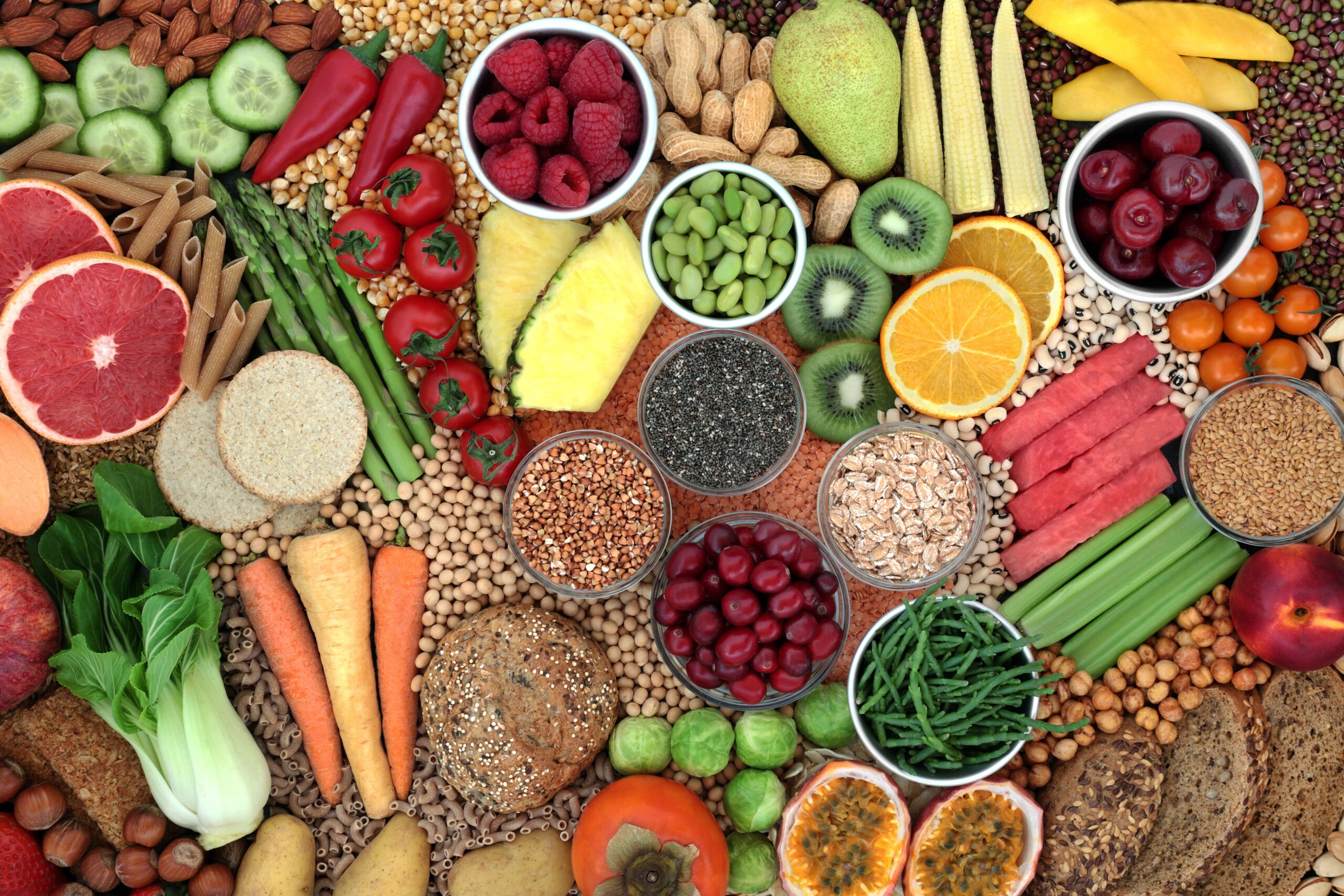
For most people, I suggest focusing on an overall pattern of whole and minimally processed foods, while limiting frequent intake of ultra-processed foods. This supports gut health without promoting unnecessary fear or overly restrictive eating.
In whole, minimally processed foods, emulsifiers are usually not needed. This is why they are much less common in fresh, home-prepared meals that are made from basic ingredients.
If you would like to limit your intake of emulsifiers, focusing on simple, whole foods most of the time can make a big difference. Practical ways to do this include:
- Cooking more meals at home using basic ingredients
- Picking plain versions of foods like yogurt and milk instead of flavoured versions
- Making simple sauces and dressings with olive oil, lemon, vinegar, and herbs
- Choosing whole-food snacks such as fruit, nuts, yogurt, or vegetables with hummus
This approach helps reduce emulsifier intake naturally, while also supporting overall gut health through higher fiber and nutrient intake.
Bottom Line – Should we avoid emulsifiers for gut health?
At present there is not enough research to suggest that someone should never eat emulsifiers or that they ‘damage’ the gut on their own.
Instead, I recommend clients limit their intake and instead focus on the bigger picture of their diet which should be looking at the inclusion of whole foods and variety.
Written by Barbara Lešnik, RD, MSc, reviewed by Kirsten Jackson, Consultant Dietitian, BSc Hons, RD, PG Cert
Book a free enquiry call
You might also like...

The connection between IBS and neurodivergence
Are Emulsifiers Bad For Gut Health? Dietitian 101