Fibermaxxing with IBS – dietitian tips on how to avoid symptoms
- Uncategorised

Fibermaxxing is suddenly everywhere. Social media and the internet are flooded with tips on how to incorporate more fibre into every meal, along with high-fibre recipes that have gone viral.
But is fibermaxxing good for our health, or can it have any adverse effects? Let’s find out!
We will also explain how to implement it safely if you decide to jump on this trend.
What is fibermaxxing?
Fibermaxxing is a social media trend that focuses on increasing fibre intake.
People who follow this approach try to maximise the amount of fiber in their diet as much as possible.
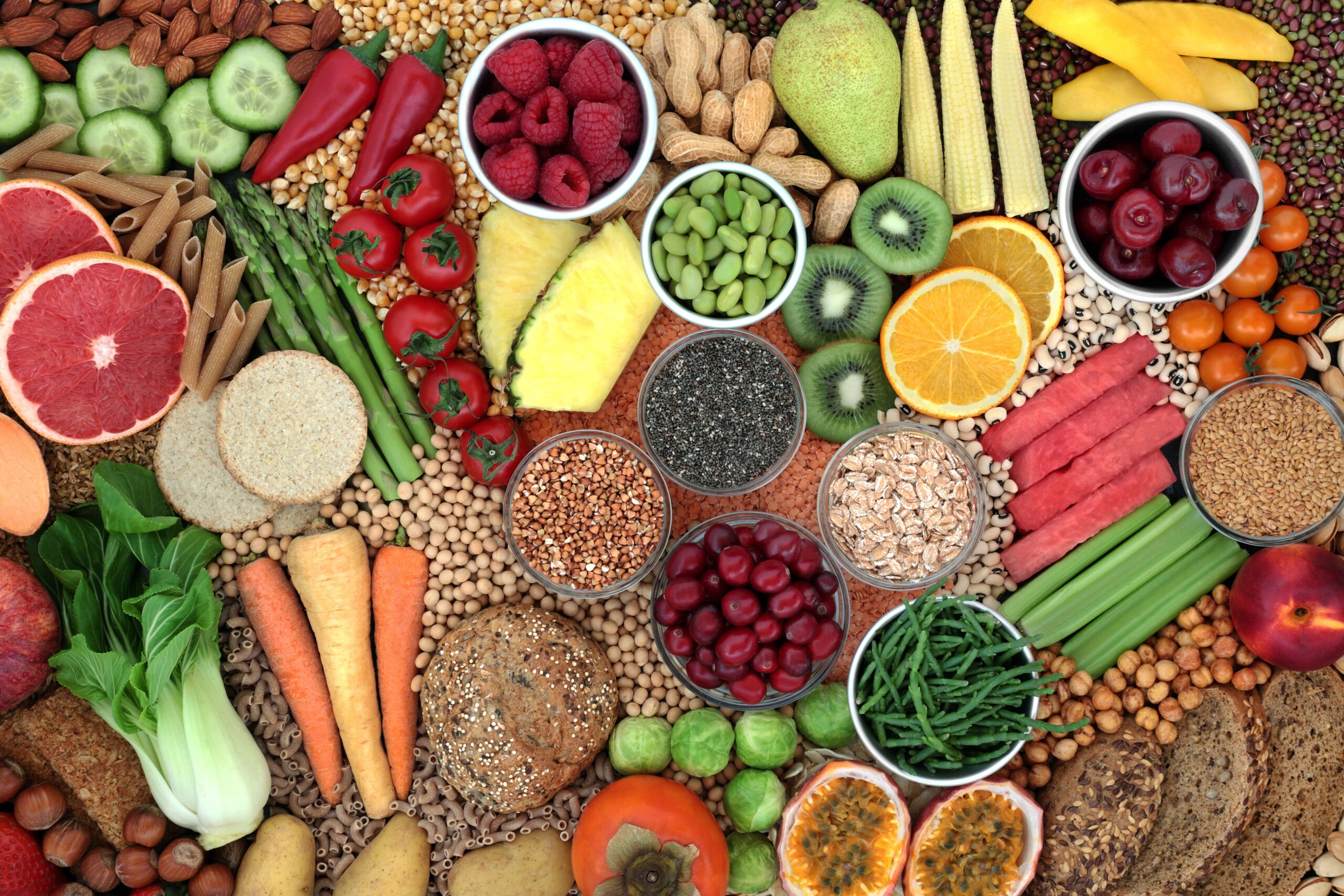
Instead of focusing on removing foods from your diet, the goal of fibermaxxing is to build meals around fiber-rich ingredients like beans, whole grains, vegetables, fruit, and seeds.
What is fiber?
Fiber is a type of carbohydrate found in plant-based foods that the body cannot fully digest.
Unlike other carbohydrates that are broken down and absorbed for energy, fiber passes through the digestive system mostly intact.
Fiber is naturally found in foods such as:
- Fruits
- Vegetables
- Whole grains
- Legumes (beans, lentils, chickpeas)
- Nuts and seeds
Recommendations for daily fiber intake are around 30g. However, most people in Western countries don’t get enough. On average, the intake is around 18 g per day in the UK and 16 g in the USA—well below the recommendations (1, 2).
Low fiber intake is largely due to diets heavy in processed foods and refined grains, and low in fruits, vegetables, legumes, and whole grains.
You can learn how to reach sufficient fibre intake here: How to get 30 g of fibre a day.
Why is fiber important?
Even though fiber isn’t well digested, it plays an important role in health, and the health benefits are beyond regular bowel movements and perfectly shaped stools.
Short-term benefits of fiber include (3):
- Feeling full for longer
- Maintain stable blood sugar levels
- Feeding gut bacteria (which produce short-chain fatty acids)
Sufficient fiber intake also has a long-term health impact, including (4, 5, 6):
- Decreased mortality
- Decreased risk of cardiovascular diseases
- Decreased risk of certain cancers, such as colorectal
Is fibermaxxing good for you?
In general, the fibermaxxing concept can help you with consistent high fibre intake, which supports health in different ways, as discussed above.
However, increasing fiber intake too quickly or eating too much can exacerbate gastrointestinal symptoms, such as:
- Bloating
- Constipation
- Diarrhea
- Abdominal pain
People with sensitive digestion, IBS, gastroparesis, or inflammatory bowel diseases such as Crohn’s disease should be particularly cautious.
And whilst we know that eating around 30g per day of fiber seems to be optimal, there is no documented benefit in increasing beyond this.
How to fibermaxx safely?
Many of my clients want to get on this gut wellness trend as they feel like it will improve their overall health.
These are some of the tips I give clients to optimize their fiber intake whilst avoiding digestive symptoms.
- Increase fibre intake gradually, as it gives your guts time to adjust.
- Spread fibre intake throughout the day. Fibremaxxing in just one meal can overwhelm your gut.
- Ensure good hydration. Fibre needs fluid to move smoothly through the gut, otherwise it can worsen constipation and digestive discomfort. Aim for at least 30 ml per kg of body weight.
- Include different sources of fibre, as variety is known to to optimise the microbiome.
- Fibremaxxing focuses solely on fibre, but do not neglect the other elements of nutrition like protein and calcium.
- Consult a dietitian if you have a sensitive gut, suffer from IBS, or any other gastrointestinal condition to get more tailored advice.
Summary
Fibermaxxing is a trend focused on increasing fibre intake by building meals around fibre-rich foods like fruits, vegetables, legumes, whole grains, and seeds.
Adequate fibre supports digestion, helps control blood sugar, feeds gut bacteria, and reduces long-term risks of heart disease, certain cancers, and digestive disorders.
To do it safely, follow our tips, which include increasing fibre gradually, spreading it across meals, staying hydrated, and seeking tailored advice from a dietitian if you struggle with GI issues, such as IBS.
Written by Barbara Lešnik, RD, MSc, reviewed by Kirsten Jackson, Consultant Dietitian, BSc Hons, RD, PG Cert
Book a free enquiry call
You might also like...
Kiwi for Constipation: Do You Need to Eat the Skin?
The connection between IBS and neurodivergence