Blog
Welcome to The IBS Dietitian blog where you can find 100s of free, science backed articles on a variety of IBS topics.
- Dietary Advice (non Low FODMAP)
- Lifestyle Advice
- Low FODMAP diet
- Low FODMAP Recipes
- Mental health
- SIBO
- Supplements
- Treatments, Testing and Diagnosis

The connection between IBS and neurodivergence


Are Emulsifiers Bad For Gut Health? Dietitian 101
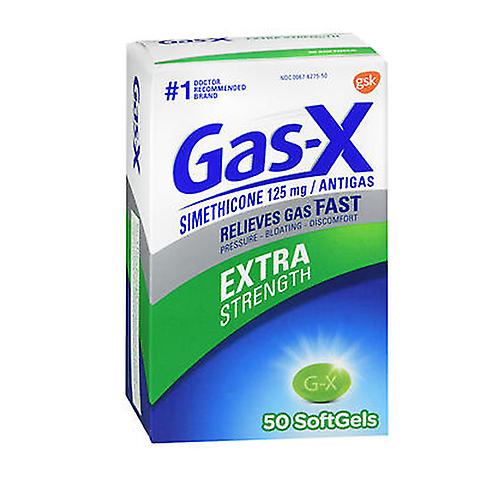
Can Gas X (Simethicone) Help with IBS? A Dietitian Explains

How to Make an IBS-Friendly Pumpkin Spiced Latte

Is creatine safe for people with IBS?
Sucrase-isomaltase deficiency (also known as sucrose intolerance) can cause troublesome gut symptoms that can often be mistaken as IBS.
This article explains what sucrase-isomaltase deficiency is, the symptoms and how to get a diagnosis. We will also cover the management of sucrase deficiency.

SUCRASE-ISOMALTASE FUNCTION
Sucrase-isomaltase is a digestive enzyme found on the border of the small intestine.
It breaks down the sugars sucrose into fructose and glucose, and maltose into glucose glucose respectively (1).
WHAT IS SUCRASE-ISOMALTASE DEFICIENCY?
Primary sucrase-isomaltase deficiency is an inherited metabolic disorder, as a result of a genetic mutation. The degree of sucrase-isomaltase deficiency can vary depending on the mutation (1).
Secondary sucrase-isomaltase deficiency can result from intestinal damage caused by other conditions, such as (2):
- Enteric H. pylori infection
- Coeliac disease
- Crohn’s disease
Some people may have complete absence of the enzyme activity, whereas some people may have reduced amounts.
THE SYMPTOMS OF SUCRASE DEFICIENCY
As the sucrose and maltose are not digested down, the gut is unable to absorb them. This section will explain the mechanism behind how a build up of these sugars results in gut symptoms.
1. WATERY DIARRHOEA
As undigested sugars are not absorbed by the gut properly, a high concentration is left in the gut. Our body therefore attempts to dilute them by drawing water into the gut, known as osmosis.
However, when there is excess water in the bowel, this results in watery diarrhoea known as osmotic diarrhoea.
2. BLOATING, ABDOMINAL PAIN, FLATULENCE AND CRAMPS:
As the undigested sucrose and maltose reach the large bowel, they are fermented by bacteria.
Excess fermentation releases gasses, which can build up and result in bloating/distension, flatulence and abdominal pain or cramps.
3. FALTERING GROWTH OR LOW BMI
As a result of maldigestion of sugars, the energy and nutrients within these foods is also not absorbed. This can lead to nutritional deficiencies, faltering growth in children and low BMI in adults (2).
How severe are symptoms of sucrase-isomaltase?
The severity of the above symptoms will vary and be influenced by the following (1):
- The degree of sucrase-isomaltase activity
- The amount of sugar consumed
- The type and effect of other foods eaten at the same time, which may have a buffering effect
- The rate of gastric emptying
HOW COMMON IS SUCRASE-ISOMALTASE DEFICIENCY?
Sucrase-isomaltase deficiency is thought to be rare and symptoms can usually resolve in childhood (2). If the symptoms of sucrase deficiency are not severe and do not affect growth in childhood the condition can go undiagnosed into adulthood.
Sucrase-isomaltase deficiency has overlapping symptoms with chronic gut conditions. It is likely that the condition is not considered by many gastroenterologists likely due to lack of awareness.
Symptoms may also be mistaken for IBS. One small study found that sucrase-isomaltase deficiency was present in 35% of participants that were thought to have IBS (3).
HOW IS SUCRASE DEFICIENCY DIAGNOSED?
Diagnosis may be made using the following:
- The disaccharide assay
This is the gold standard method for a diagnosis. This requires taking a small bowel biopsy that measures sucrase activity.
- Breath testing
Breath testing is a less invasive method of diagnosis. This will involve consuming a sample of sucrose and subsequently measuring the carbon-13 or hydrogen concentration in the breath (2).
Breath testing for sucrose (and lactose and fructose) can create false positives if small intestinal bacterial overgrowth (SIBO) is present. You should therefore speak with your GP if you should rule out out SIBO prior to having a breath test.
HOW IS SUCRASE-ISOMALTASE DEFICIENCY MANAGED?
Sucrase-isomaltase is usually managed using a combination of dietary manipulation and enzyme replacement therapy.
1. LIMITING SUCROSE AND STARCH IN THE DIET
This is very difficult to achieve due to the amount of foods that would have to be excluded.
This can lead to nutritional deficiencies and therefore you should work with a Specialist Dietitian if you have to follow it.
SOURCES OF SUCROSE
Sucrose is a naturally occurring sugar and pure sucrose is wgute granulated sugar. Sucrose can be naturally found in a variety of foods, such as:
- Fruit such as apples and mangoes
- Vegetables such as carrots and sweetcorn
- Sugar cane
- Sugar beets
- Maple syrup
- Breakfast cereals
2. DIGESTIVE ENZYMES
You can take oral digestive enzymes to replace the missing sucrase-isomaltase.
Sacrosidase (brand name Sucraid) is the only effective and FDA-approved drug treatment (2). It is also available in the NHS in the UK. Sacrosidase is available on prescription only.
A study in 2018 looked at the diets of 49 people who were taking sacrosidase for at least 3 months (4) . The main findings highlighted that the amount of dietary sucrose ingested did not have an impact on their symptoms.
However, the study did note that higher amounts of maltose increased symptoms of nausea, bloating and reflux. Therefore, maltose intake is only tolerated in certain amounts from some individuals taking sacrosidase.
3. BEWER’S YEAST
Brewer’s yeast is the main ingredient in Sucraid. It can inhibit sucrase activity and has shown to work better on a full stomach (5).
Brewer’s yeast can be more accessible for those who are unable to access Sucraid through their healthcare provider.
SUMMARY
Sucrase-isomaltase deficiency results in maldigestion and malabsorption of sucrose and maltose. This can cause non-specific gut symptoms, which can often be mistaken for IBS.
Sucrase-isomaltase deficiency can be treated using a combination of reduced dietary intake of sucrose and maltose and digestive enzymes.
Updated by Bethany Willson Specialist Gastroenterology Dietitian (2022), reviewed by Serena Bansal Registered Dietitian BSc Hons and Kirsten Jackson Consultant Dietitian BSc Hons, RD, PG Cert